

Hair Shedding Vs Hair Loss: How to Tell the Difference
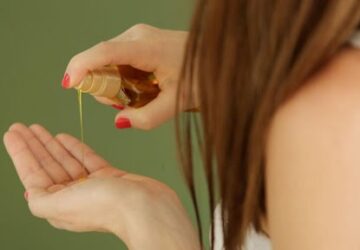
What Hair Shedding looks like
Hair shedding is a normal part of life, and almost everyone experiences it. You may notice a few strands of hair on your pillow when you wake up, on your clothes, or in the shower drain after washing your hair. This happens because old hair naturally falls out to make space for new hair growth. In most cases, this type of hair fall is completely normal and nothing to worry about. However, when you start seeing more hair than usual on your comb, bathroom floor, or while styling your hair, it can feel concerning. Excessive shedding may make your hair look thinner over time, especially around the scalp or hairline. Common reasons for this include stress, poor diet, hormonal changes, lack of sleep, or seasonal changes. Hair shedding does not usually cause bald patches, but it can reduce overall hair volume. The good news is that with proper care, a healthy diet, and reduced stress, hair shedding often improves on its own. Paying attention to your hair routine and lifestyle can help you manage shedding and maintain healthy, strong hair.
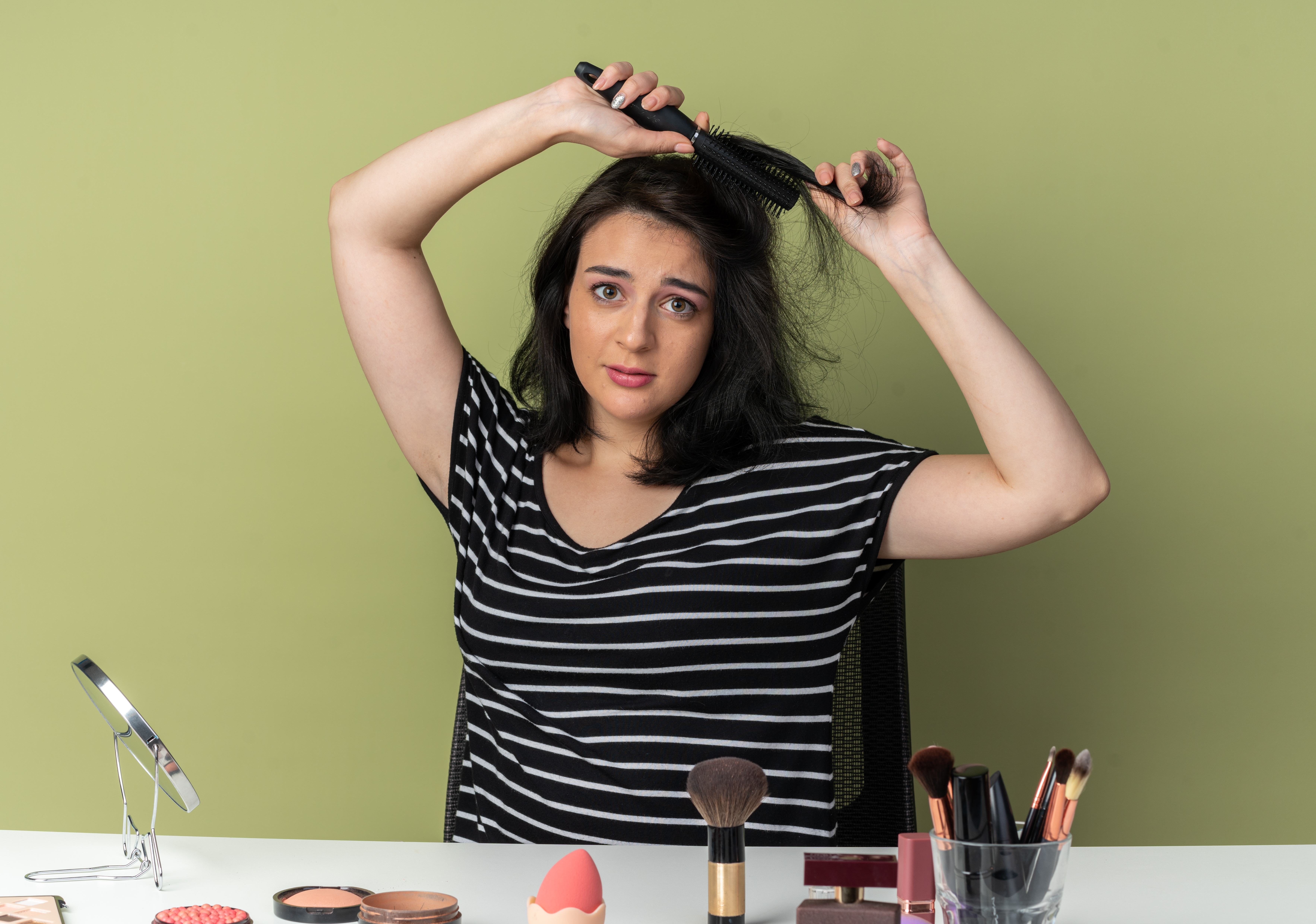
Common Reasons for Hair Fall
Hair fall can happen for many different reasons, and understanding the cause is the first step toward control. One of the most common reasons is stress, which can disturb the natural hair growth cycle and lead to increased shedding. Poor eating habits, especially a lack of protein, iron, and vitamins, can also make hair weak and more likely to fall out. Hormonal changes play a big role in hair health. Changes during pregnancy, after childbirth, or due to thyroid problems can cause noticeable hair fall. Using too much heat on hair, frequent coloring, and harsh chemical treatments can damage hair strands and roots, leading to breakage and hair loss. In some cases, hair fall may be genetic and run in families. While this type of hair loss cannot always be stopped, early care, a gentle hair routine, and professional guidance can help slow it down. Taking care of your scalp, eating a balanced diet, and avoiding rough handling of hair can make a big difference over time.